
Anyone who shares their life with an animal knows this truth: they feel deeply. The dog who trembles at raised voices years after leaving a difficult home. The cat who hides for days after a house move. The horse who refuses the float ever since one bad journey.
Animals experience fear, grief, loneliness, and shock just as we do. What they cannot do is talk it through, journal about it, or book themselves a therapist. So emotional energy from hard experiences can become trapped in their bodies, exactly as it does in ours, and quietly shape their behaviour for years.
The beautiful news is that the Emotion Code works wonderfully for animals. In fact, some of the most moving results I have seen in my practice have been in pets.
Why animals carry trapped emotions
Animals are extraordinarily sensitive to energy. They read our moods before we speak. They absorb the emotional climate of the household. And because they live so honestly in their feelings, intense experiences leave a mark:
- Rescue and shelter trauma. Abandonment, mistreatment, and the noise and fear of shelters commonly leave layers of trapped emotion.
- Loss of a companion. Animals grieve, both for other animals and for people, and grief can lodge deeply.
- Frightening events. Accidents, attacks by other animals, storms, fireworks, and difficult vet visits.
- Early separation. Being taken from a mother or litter too soon.
- Absorbed stress. Empathetic by nature, animals often soak up the anxiety and tension of the humans they love. Sometimes when I test a pet, the trail leads straight back to the owner's stress.
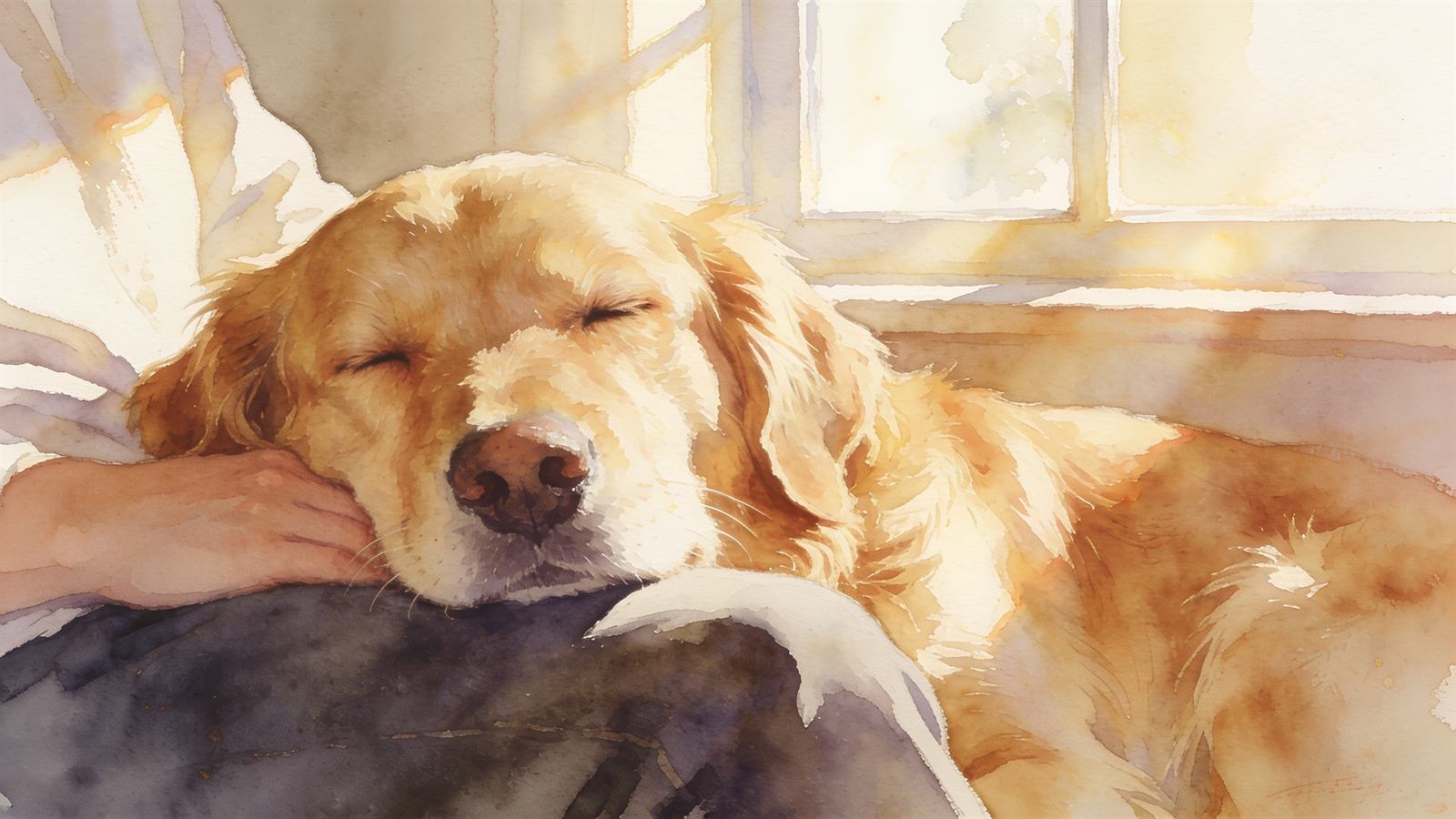
Signs your pet may be holding trapped emotions
Always rule out medical causes with your vet first. Once health issues are excluded, these patterns often point to emotional baggage:
- Anxiety, trembling, or hiding without an obvious trigger
- Aggression or reactivity that seems out of proportion
- Separation distress whenever you leave the house
- Withdrawal, flatness, or loss of playfulness
- Obsessive behaviours such as overgrooming or pacing
- Fear of specific places, objects, or types of people
- Changes in appetite or toileting habits after a stressful event
- Grieving that does not ease months after a loss
These behaviours are not naughtiness and rarely respond fully to training alone, because training speaks to the mind while the wound lives in the emotional body.
How an animal session works
Animal sessions are beautifully simple, and your pet does not need to do anything at all.
- You email me about your animal. Their name, species, age, a little history, and what you have been noticing. A photo is lovely but optional.
- I work remotely by proxy. Because the Emotion Code communicates with the subconscious, I can connect with your animal energetically from anywhere. There is no travel, no strange clinic, and no stress for them. If you are curious how this works, I explain it fully in my guide to distance healing.
- Each trapped emotion is identified and released. Animals feel versions of the same emotions we do: fear, grief, abandonment, betrayal. One at a time, each trapped energy is released using magnetic energy.
- You receive a full written report. Every emotion found, when it likely became trapped, and gentle notes for the days that follow. Owners often find the reports remarkably consistent with their animal's history.
Most animals show shifts within days: softer body language, better sleep, more play, less reactivity. Deeper trauma, especially in rescues, may take a few sessions, just as a Heart-Wall does in people. Yes, animals can have Heart-Walls too.
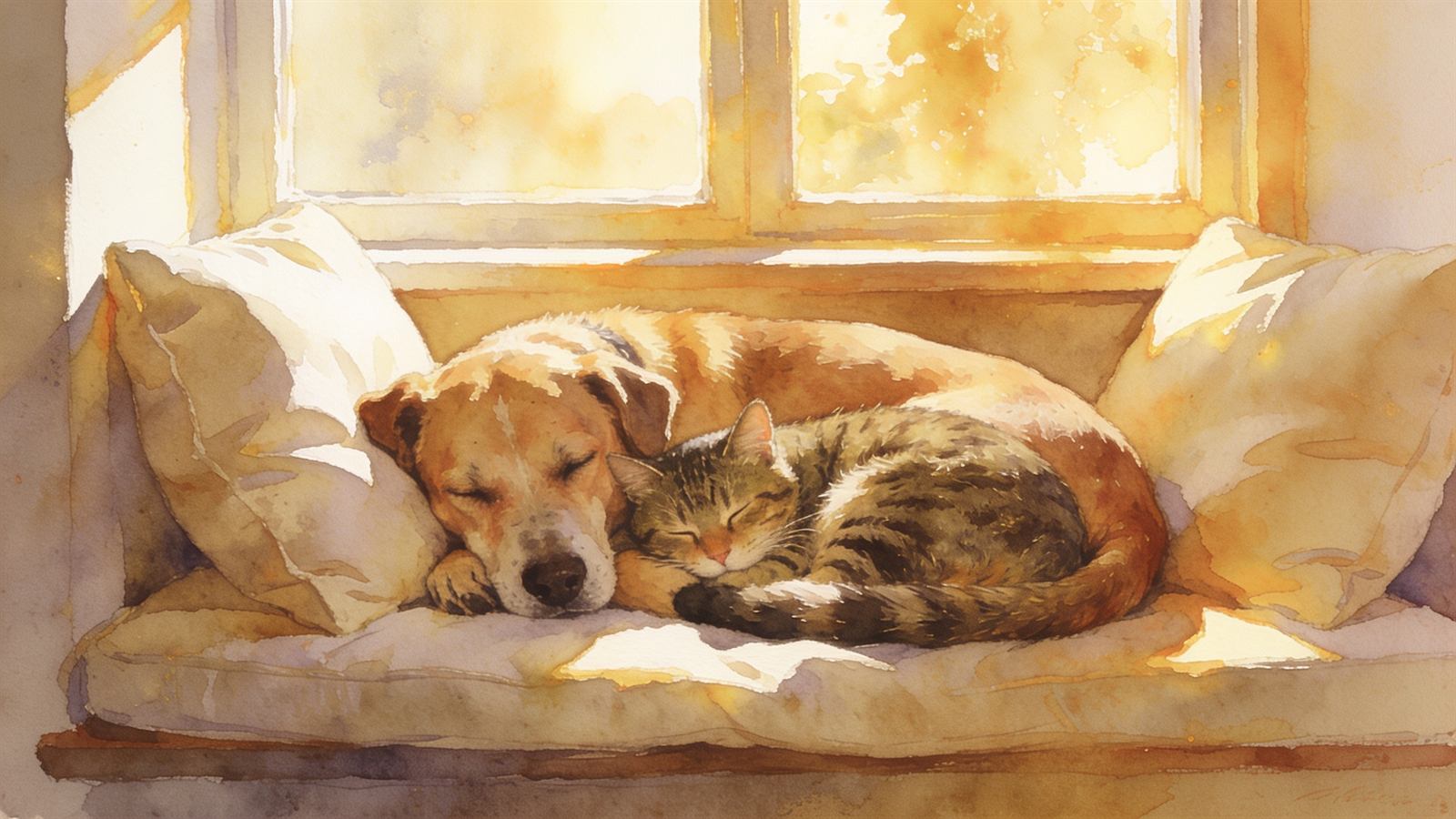
Daniela's rescues: a story from Brazil
One of my favourite examples comes from Daniela, who found me from the other side of the world. Both of her dogs are rescues who had suffered abandonment and mistreatment. After their Heart-Wall sessions, she wrote:
"The transformation was visible: both showed much better behaviour and a newfound sense of happiness after their sessions. Whether for yourself or your beloved animals, I highly recommend her work!"
What moves me most about animal work is its purity. Animals hold no skepticism and no expectations. When an old fear is released, they simply stop carrying it, and you can see it in their eyes, their posture, and their play.
Which animals can be helped?
All of them. Dogs and cats are the most common, but I have worked with horses, birds, rabbits, and more. Because sessions are remote and communicate with the subconscious, the species, size, and temperament of the animal make no difference. Nervous, aggressive, or untouchable animals can be helped just as easily as placid ones, which is something no hands-on therapy can offer.

The Emotion Code is a complementary modality and not a substitute for veterinary care. Please consult your veterinarian about any physical or behavioural concerns before and alongside energy healing work.