
We all know what it feels like to carry something. A tightness in the chest before a difficult conversation. A knot in the stomach that arrives with certain memories. A tiredness that sleep never seems to fix. We use physical words for emotional weight because, in a very real sense, that is how we experience it.
In the Emotion Code, we understand this weight as trapped emotions: the leftover energy of feelings that were too big, too sudden, or too painful to fully process at the time. Instead of moving through you and completing, that emotional energy became stuck somewhere in your body. And it has quietly stayed there ever since.
What is a trapped emotion?
Every emotion you feel is energy in motion. When life is steady, emotions rise, are felt, and pass through, like weather moving across a sky. But during moments of overwhelm, grief, shock, or prolonged stress, an emotion can fail to complete its journey. The Emotion Code, developed by Dr. Bradley Nelson, describes this leftover energy as a trapped emotion: a distinct ball of emotional frequency lodged in the body.
Each trapped emotion carries the vibration of a specific feeling, such as anger, sorrow, fear, or shame, and each one came from a specific moment or season of your life. Some are recent. Some go back to childhood. Some, remarkably, appear to be inherited from parents and grandparents, passed down the family line like the colour of your eyes.
Left in place, these energies act like static in your system. They can distort how you respond to everyday situations, weigh on your mood, and place ongoing stress on the tissues of the body.
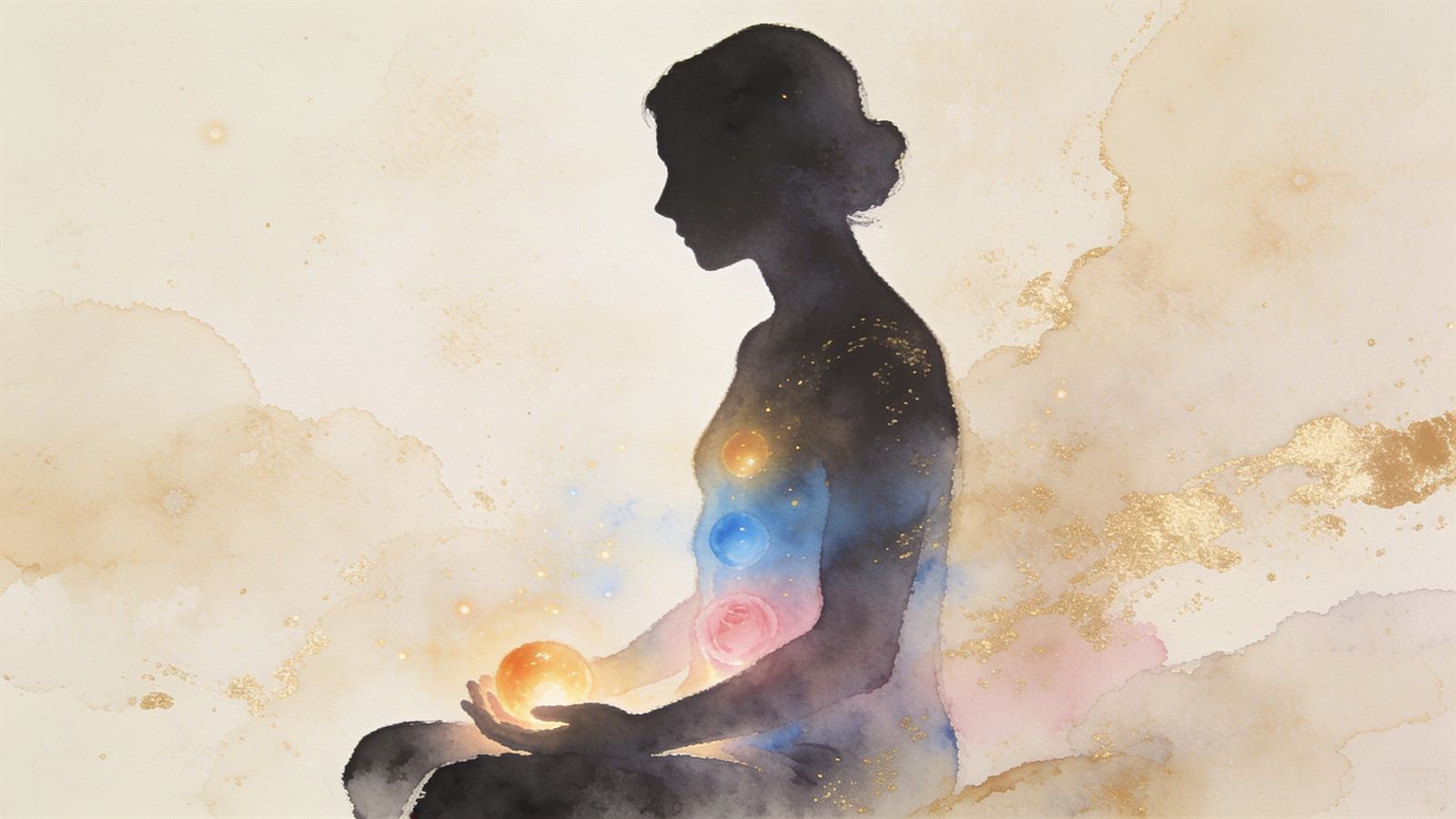
How emotions become trapped
Trapped emotions rarely come from ordinary days. They form in the moments that ask more of us than we have to give:
- Grief and loss, especially when we had to stay strong for others
- Shock, accidents, and frightening experiences
- Relationship pain: betrayal, rejection, divorce, or abandonment
- Childhood experiences we were too young to make sense of
- Pregnancy, birth, and the intense early months of parenthood
- Long seasons of stress, pressure, or feeling unseen
Notice that none of these require anything to be wrong with you. Trapped emotions are not a weakness or a failure to cope. They are simply what happens when a nervous system does its best in a hard moment and some of the emotional charge gets left behind.
9 signs you may be carrying trapped emotions
Because trapped emotions are invisible, most people live with them for years without realising. These are the signs I see most often in my practice.
1. Anxiety or unease with no clear cause
You feel on edge even when nothing is wrong. Old fear and worry held in the body can hum away in the background like a radio you cannot switch off.
2. Reactions that feel bigger than the moment
A small comment stings for days. A minor setback triggers a wave of anger or tears. When a present event touches an old trapped emotion, you feel both at once.
3. Persistent tension, aches, or discomfort
Trapped emotional energy places real stress on the area of the body where it sits. Many clients notice long-standing tightness or discomfort ease after emotions stored in that area are released.
4. Tiredness that rest does not fix
Carrying emotional weight takes energy, all day, every day. Clients often describe feeling noticeably lighter and more energised after sessions, as if they took off a heavy backpack they had forgotten they were wearing.
5. Feeling stuck in repeating patterns
The same kind of relationship. The same argument. The same self-sabotage right before a breakthrough. Trapped emotions can quietly steer decisions from below conscious awareness.
6. Difficulty sleeping or switching off
A body holding unresolved emotional charge finds it harder to fully relax. Racing thoughts at 2am are often old feelings asking, at last, to be heard.
7. Numbness or flatness
When there is too much stored pain, the system sometimes turns the volume down on everything. If joy feels muted, trapped emotions, and often a Heart-Wall, may be involved.
8. Struggling to let go of the past
You have done the thinking, the talking, maybe even the therapy, yet a particular hurt still feels present. Insight lives in the mind, but trapped emotions live in the body, and the body keeps its own records.
9. A heaviness you cannot put into words
Perhaps the most common sign of all. Clients often say "I just feel weighed down" or "I do not feel like myself." That vague heaviness is frequently the sum of many small stored emotions.

How trapped emotions are released
Here is the part that surprises most people: releasing a trapped emotion does not require reliving it. The Emotion Code works directly with your subconscious mind, which holds a perfect record of everything you have ever experienced and knows precisely which emotions are ready to go.
In a session, I use gentle muscle testing to ask your subconscious simple yes and no questions. Together we identify the specific emotion, and when it became trapped. Then, using magnetic energy passed over the governing meridian, the emotion is released. Once released, it is gone for good.
The whole process is calm, quiet, and gentle. There is no need to talk through painful stories, and many clients spend the session simply relaxing with a cup of tea. Sessions are equally effective in person or at a distance, which is why I work with clients all over the world. You can read a full walkthrough in what to expect in your first session.
What release feels like
After a session, your body enters a gentle processing period of one to two days. Some people feel lighter almost immediately. Others notice the shift gradually: better sleep, softer reactions, a lift in mood, or an old worry that simply is not there anymore.
My client Elisabeth described it beautifully: "It was not only weight lifted from me and my heart, but my field of vision improved drastically after shame was released. It was a feeling of being able to see the world again."

The Emotion Code is a complementary modality that supports emotional wellbeing. It is not a substitute for medical or psychological care. Please consult a licensed healthcare provider for any health condition.